

AI style transfer applies the visual language of one reference to another asset. The useful result is not merely a dramatic filter. It should preserve the subject, product, layout, or motion that matters while changing selected traits such as color, texture, lighting, illustration technique, or cinematic treatment.
That distinction determines whether a result is an interesting experiment or a usable campaign asset. A business workflow needs controlled change, repeatable prompts, clear review criteria, and a practical route from one approved test to a larger batch.
AI Style Transfer Explained: What Changes and What Must Stay
Style transfer began as a method for combining the content of one image with the visual style of another. Modern generative editing models extend that idea. They can use a reference image, a written style brief, an existing image, or a source video to produce a new interpretation.
Four approaches now sit under the same search term:
| Approach | Best use | What it controls | Main production risk |
|---|---|---|---|
| Fixed visual filter | Fast social variants | Color and surface treatment | Limited creative range |
| Reference-led image transfer | Product scenes, editorial art, campaign systems | Style image plus source content | Product or identity drift |
| Prompt-led generative restyling | Art direction tests and new visual concepts | Written art direction | Inconsistent interpretation |
| Video style transfer | Music, ads, film development, social clips | Look across moving frames | Flicker and temporal inconsistency |
The protected content should be named before generation. For a product image, that may include silhouette, label copy, logo placement, packaging color, and camera angle. For a portrait, it may include facial identity, expression, pose, and clothing. For video, add motion path, shot timing, and subject continuity.
This gives the prompt two jobs: define what changes and define what cannot change.
5 AI Style Transfer Models Compared by Production Job
No single model is best for every style transfer task. The practical shortlist depends on whether the source is an image or video and how tightly the output must preserve its subject.
| Model path | Best business test | Input pattern | Review first |
|---|---|---|---|
| Nano Banana 2 Edit | Brand and product restyling | Source image plus instruction or reference | Text, logos, and object geometry |
| Seedream 5.0 Lite Edit | Campaign variants and visual systems | Image editing prompt with references | Consistency across a series |
| Kling V3 Image Edit | Creative image transformations | Image-to-image direction | Subject identity and composition |
| PixVerse Video Restyle | Short-form video looks | Source video plus target style | Frame stability and motion |
| Gemini Omni Flash Video Edit | Directed video changes | Existing video plus edit instruction | Unrequested scene changes |
Start with the model closest to the final media type. Avoid using an image-only winner as proof that a video workflow will be stable. The evaluation should use a real source asset, the intended output ratio, and a review checklist that reflects brand risk.
AI Style Transfer Workflow Verified in 5 Steps
1. Prepare a clean source
Use the highest-quality approved asset available. Remove accidental overlays, compression artifacts, and background clutter when they are not part of the intended composition. A weak source gives the model more room to invent details.
2. Choose one style reference
One coherent reference is easier to evaluate than a mood board with conflicting signals. Identify the useful traits in words, such as ink outline, restrained cyan palette, matte paper texture, high-key studio lighting, or 1980s broadcast graphics. Do not rely on an artist name when the same effect can be described directly.
3. Separate protected and editable elements
A strong prompt makes the boundary explicit:
Restyle the scene as a clean editorial screen print with a limited cyan, coral, black, and white palette. Preserve the bottle shape, label text, logo position, camera angle, and cast shadow. Change only the background treatment, surface texture, and illustration style.
For video, add continuity requirements:
Keep the subject, timing, camera movement, and object path unchanged. Apply the visual treatment consistently across all frames without flicker.
4. Compare at least three outputs
Review subject preservation before judging style appeal. Check text, hands, faces, packaging geometry, small accessories, edges, and any item that has legal or commercial significance. For video, inspect the full clip rather than a poster frame.
5. Save the approved recipe
Record the source asset, reference, prompt version, model ID, parameters, cost, output URL, and review result. This turns a successful experiment into a repeatable workflow and makes model comparison more useful than choosing from memory.
4 Business Uses Compared by Success Metric
Product campaign variants
One approved packshot can support seasonal, regional, or channel-specific art direction. The success metric is not visual novelty alone. The product must remain recognizable and the styling must fit the placement.
Branded social content
Style transfer can turn ordinary footage or stills into a consistent visual series. Measure the time required to produce an approved set, the percentage of assets that preserve brand details, and whether the treatment remains consistent across posts.
Film and advertising development
Creative teams can test visual directions before committing to full production. Use the outputs as concept evidence, then retain human review for continuity, rights, and final compositing decisions.
Catalog and localization workflows
A repeatable recipe can adapt backgrounds and art direction across many products or markets. Before batching, verify copy, product color, logo geometry, and local brand rules on a small representative sample.
Cost, Rights, and Quality Boundaries Explained
Free style transfer tools often reduce resolution, add watermarks, restrict credits, or limit commercial rights. A free result is useful for learning the interface, but it is not automatically cleared or economical for client work.
Evaluate cost per approved asset rather than cost per generation. Include regeneration, manual cleanup, reviewer time, storage, and failed outputs. Also confirm that your team has permission to use the source and reference material. A visual style can be described without copying protected characters, logos, or a living artist’s signature work.
For production, keep the original file and generation record. The approved output should be saved to durable storage instead of depending on a temporary result URL.
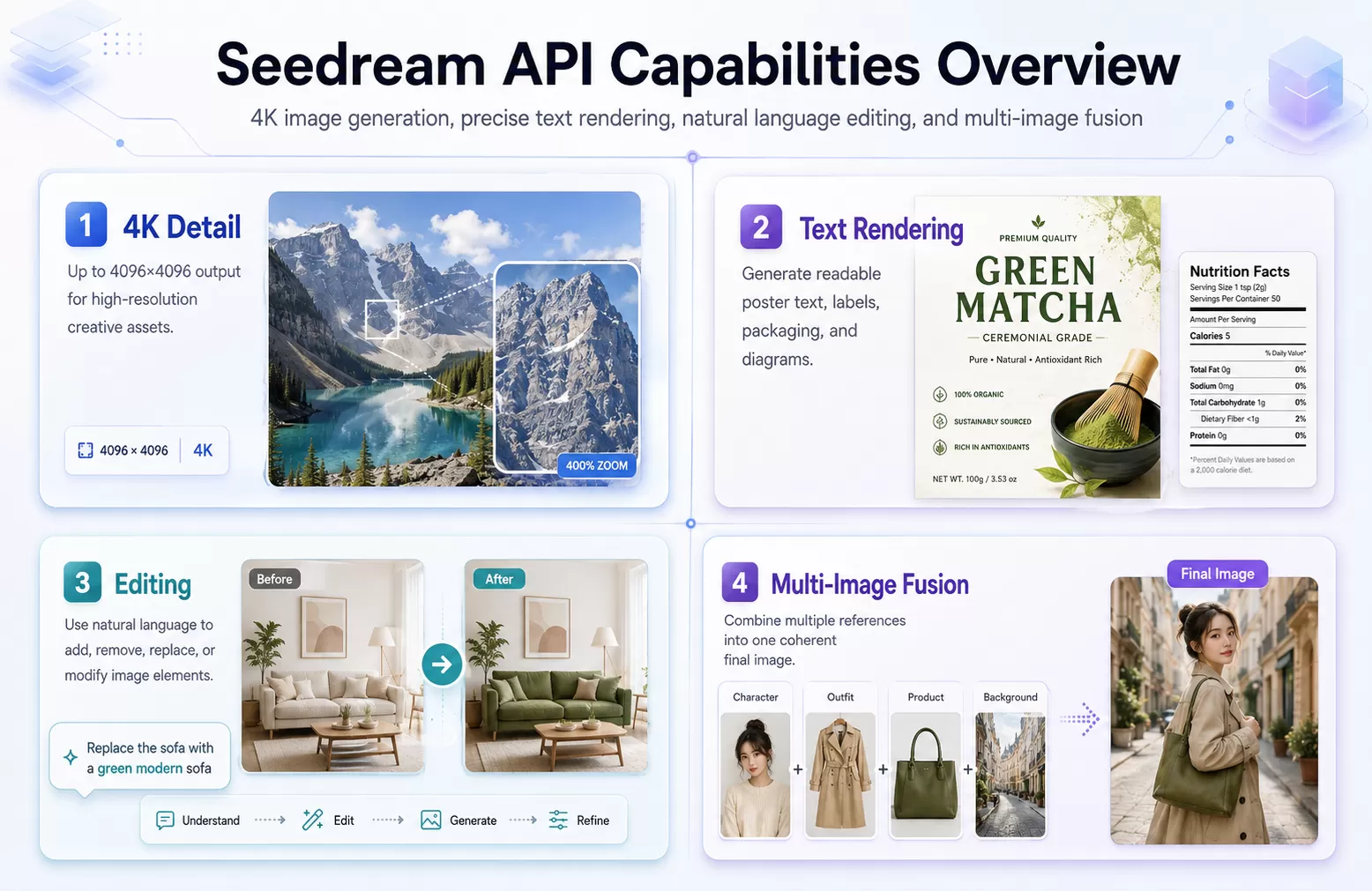
Modellix collection
Try AI Style Transfer Across Image and Video
Compare image and video models for reference-led restyling, campaign variants, and subject-preserving creative edits.
How to Test AI Style Transfer on Modellix
Most users should not begin with code. Run one real style transfer in the Playground, verify the source, prompt, cost, preservation, and output format, then choose API, Skill, or CLI only when the result is good enough to repeat.
Quick start guide
Playground: Open the AI style transfer collection and choose an image or video model.
API docs: Use the API guide for backend, batch, and product workflows.
Skill: Use the Skill workflow when an AI agent creates media from a workspace.
CLI: Use the CLI guide for terminal scripts and scheduled jobs.
The collection is the starting point. The steps below show how to turn one style test into evidence for a production decision.
Step 1: Create or Sign In and Use the Included $1 Credit
Open the Modellix console. The included $1 credit supports real model testing, not unlimited free use, so choose a representative asset and a clear review goal.
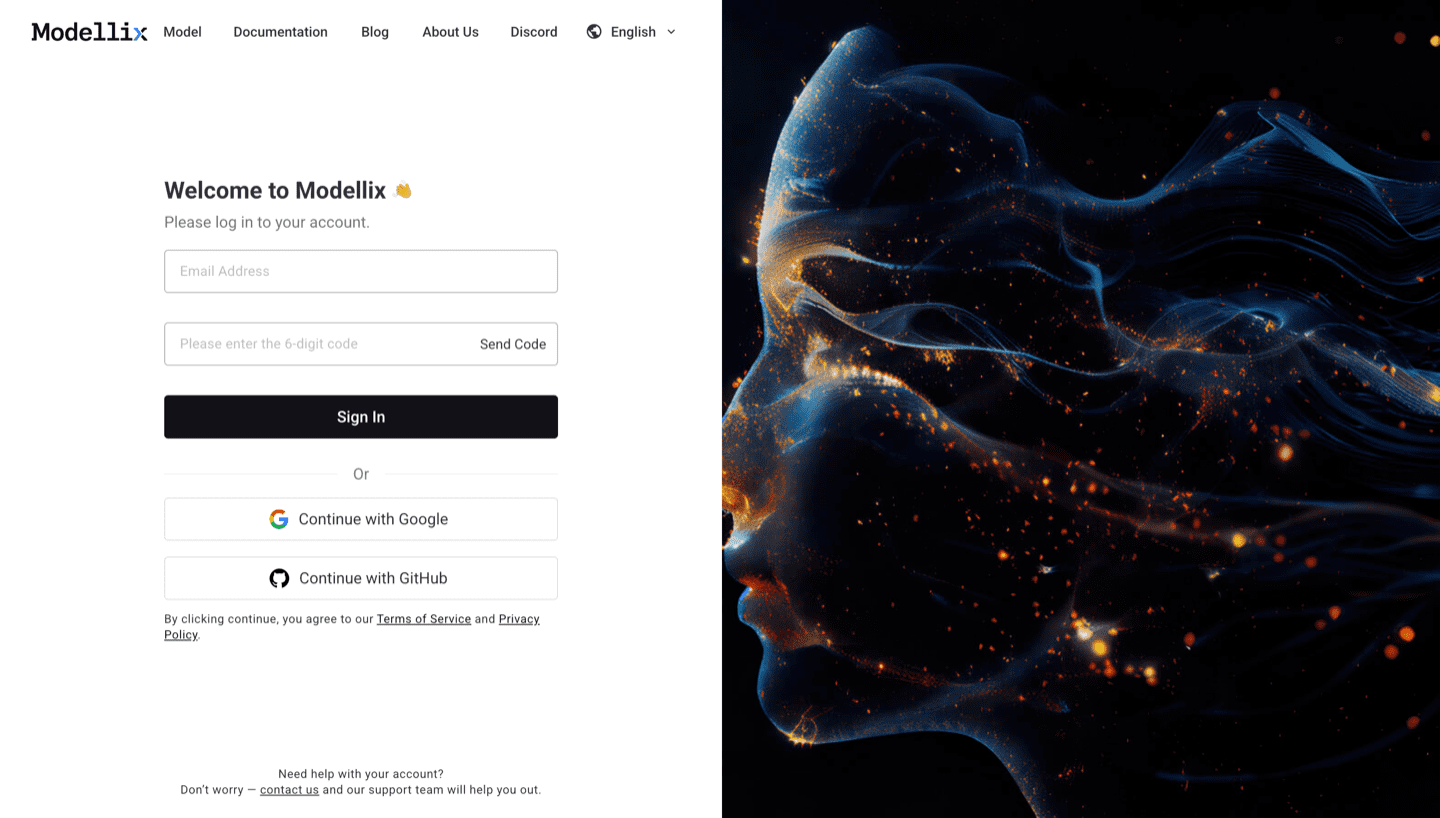
Step 2: Open a Model Page and Run One Prompt
Choose a model that matches the media type. Start with Nano Banana 2 Edit for an image or PixVerse Video Restyle for a clip. Upload the source, add one reference or style instruction, and run a manual test.
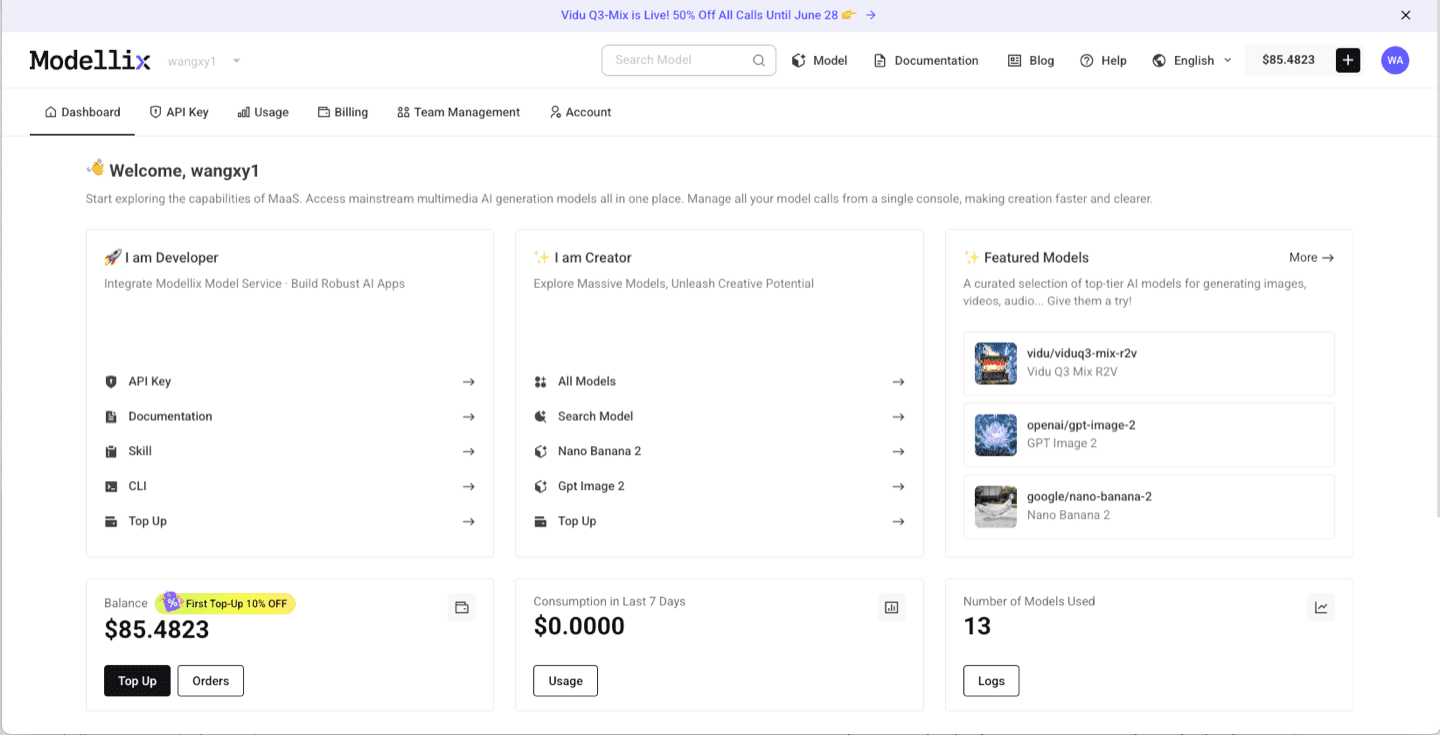
Step 3: Optimize the Prompt and Review the Output
Use Prompt Enhance when the visual direction is too vague. Review the source and result side by side. Confirm that protected content remains intact, then judge palette, texture, lighting, composition, and style consistency.
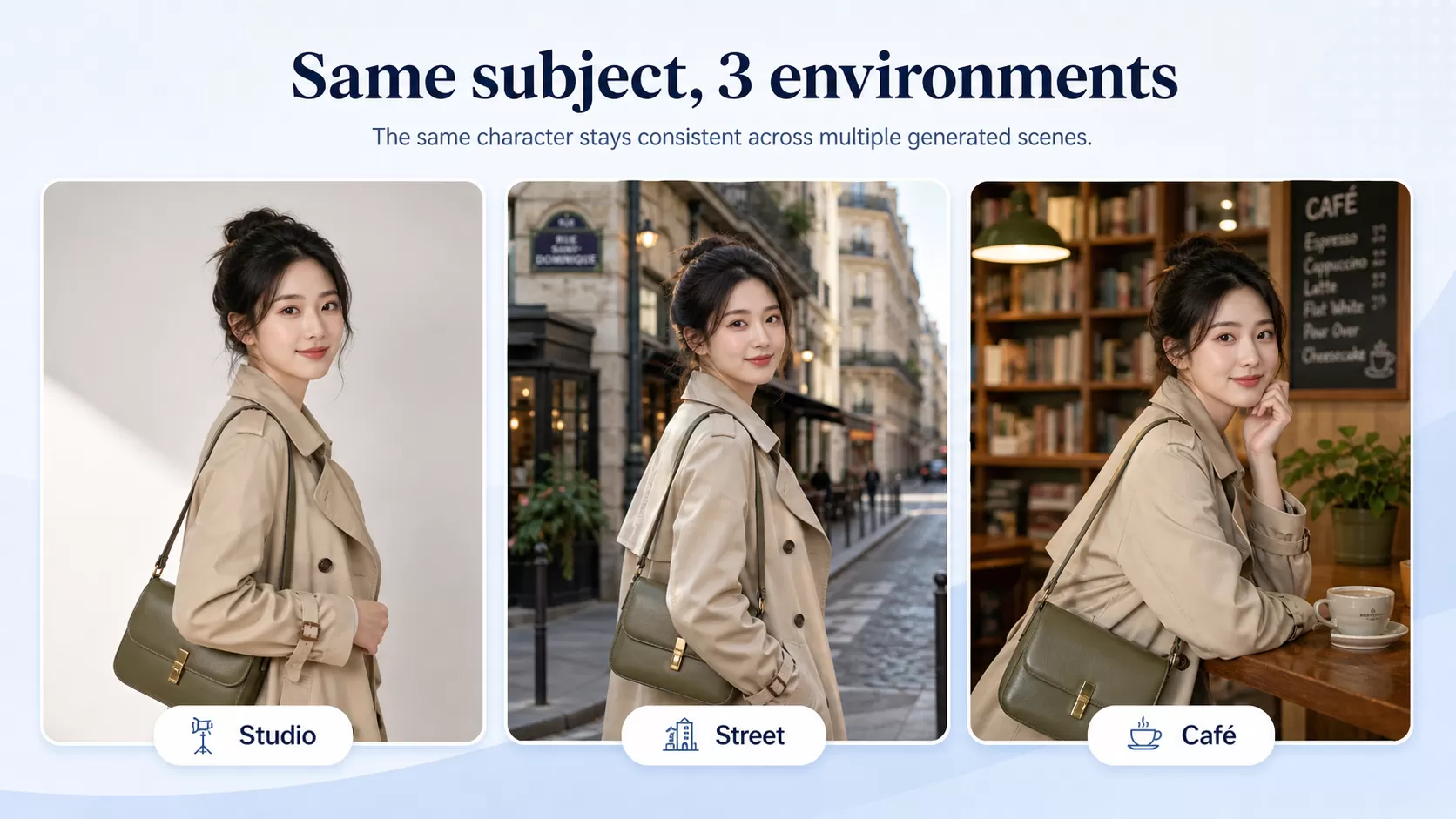
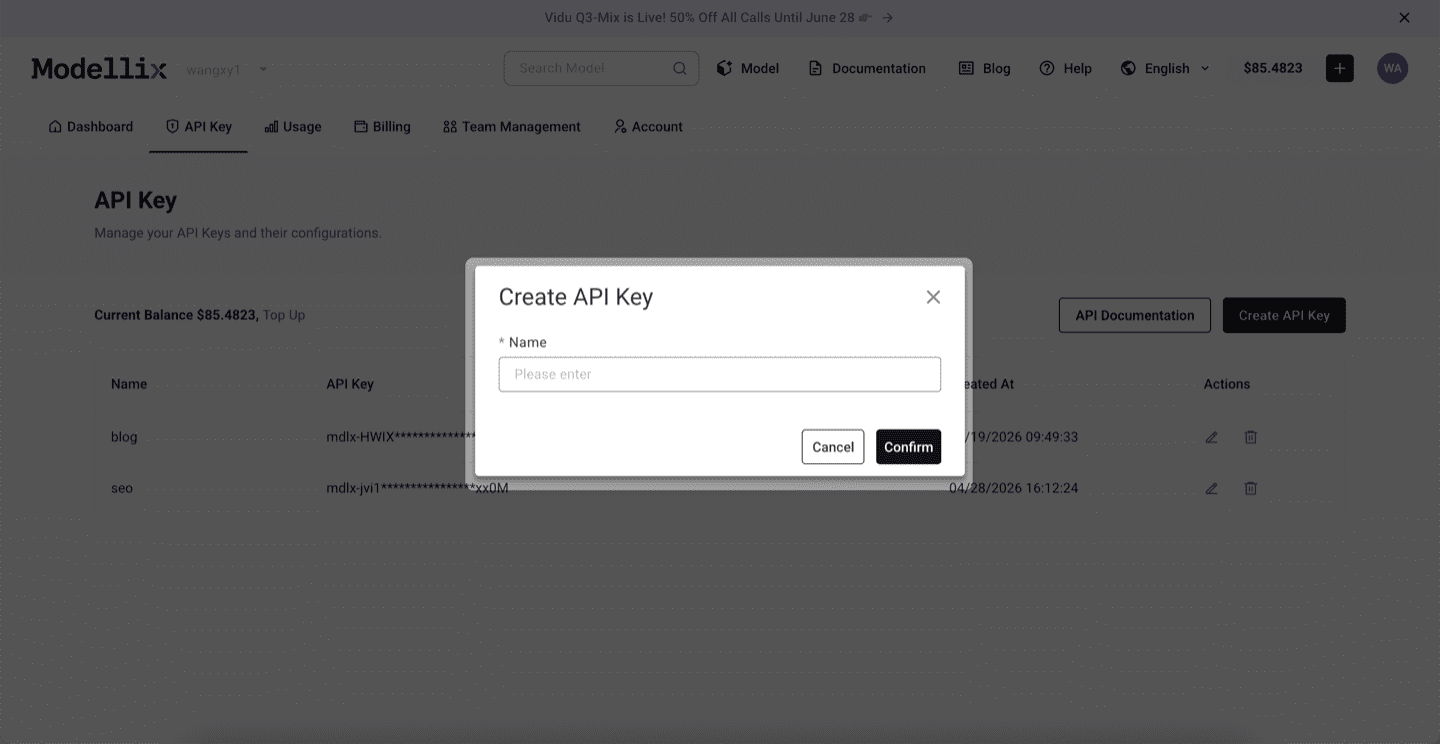
Step 4: Create an API Key Only When the Test Needs to Repeat
Create an API key after one model, source pattern, and prompt pass review. Keep the key on the server. Preserve the approved prompt as a versioned template for API, Skill, or CLI automation.
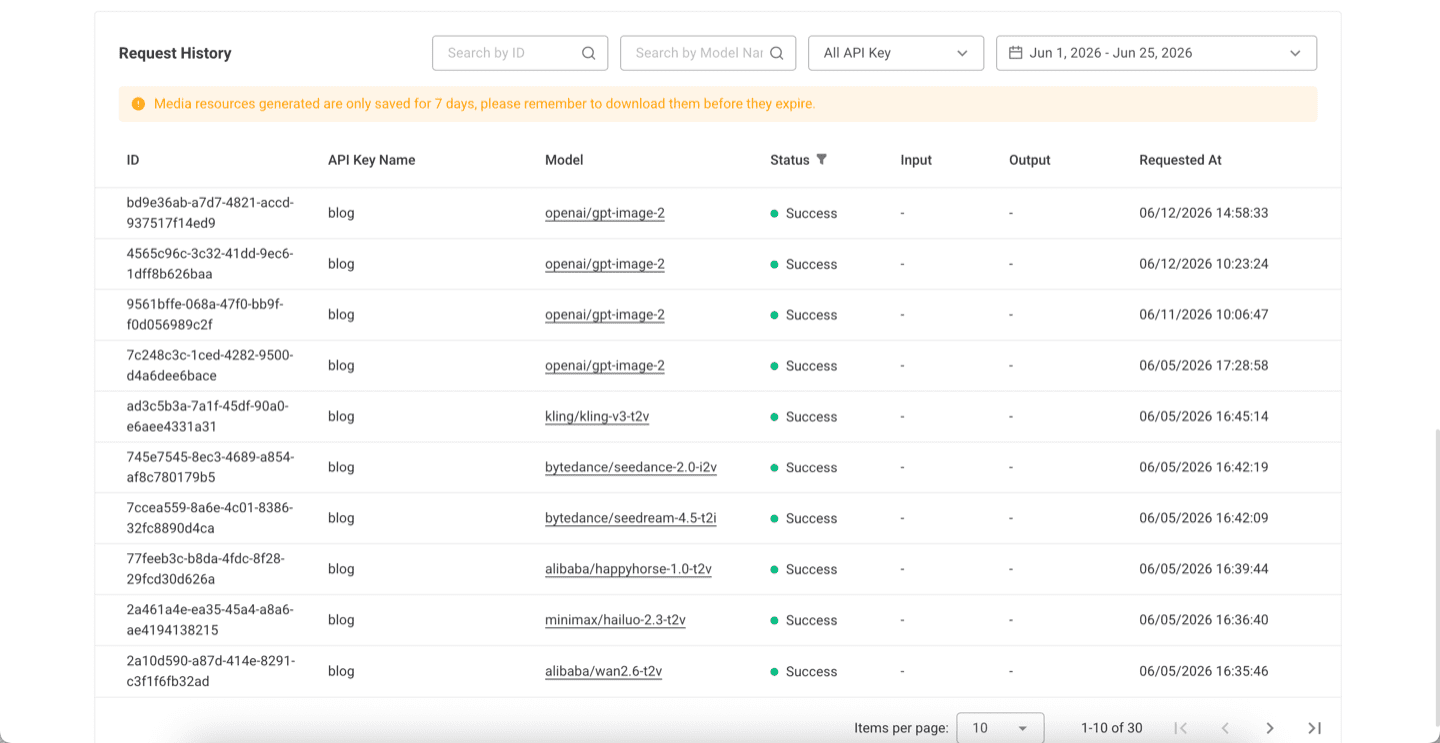
Step 5: Check Logs and Save the Result Before Scaling
Review request history, model ID, task status, cost, and output. Save approved media to durable storage and increase batch size gradually. A small batch should pass the same preservation checklist before the workflow handles a full campaign or catalog.
Try AI Style Transfer Next
Test one real asset before automating the series
Start free with the included $1 credit, compare image and video style models, and move to API, Skill, or CLI only after the output passes review.
Explore AI style transfer modelsFrequently Asked Questions About AI Style Transfer
What is AI style transfer?
AI style transfer changes the visual treatment of an image or video while attempting to preserve its underlying content. The target style may come from a reference image, a written prompt, a preset, or a combination of inputs.
Is style transfer the same as an image filter?
No. A fixed filter usually changes color or texture through a predetermined effect. Generative style transfer can reinterpret lighting, materials, line work, background treatment, and other visual traits, but it also creates more risk of changing the subject.
Can AI style transfer preserve a product or face?
It can, but preservation varies by model and source. State protected details explicitly, use a clear source, compare several outputs, and reject any result that changes identity, packaging, text, or geometry.
Can AI style transfer work on video?
Yes. Video restyling models can apply a new look to an existing clip. Review temporal consistency, subject continuity, camera motion, and flicker across the entire result.
Is AI style transfer free?
Many tools offer limited trials, credits, or free outputs with restrictions. Modellix includes $1 credit for new users to test real models. Check current cost, resolution, watermark, storage, and usage-right boundaries before production.